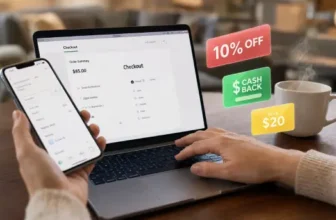
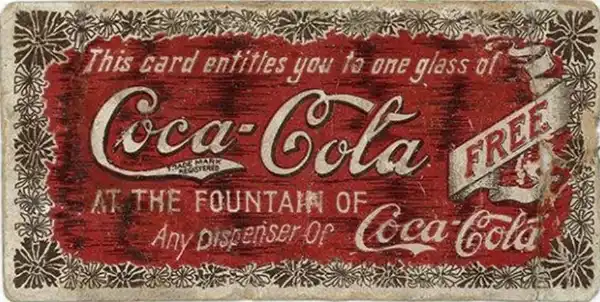
Imagine getting a free glass of Coca-Cola just for presenting a small piece of paper. Sounds like a simple promotion, right? But that little marketing idea helped start an industry that millions of shoppers rely on today.
Coupons have come a long way from handwritten paper vouchers to digital discount codes, mobile apps, and personalized online offers. Businesses use them to attract customers, while shoppers use them to reduce their bills.
I’ve worked with online coupons and promotional deals for years, and I find their history quite interesting. So, let’s take a trip through time and discover how coupons became an important part of modern shopping.
1887: Coca-Cola Introduced One of the First Famous Coupons
The story of modern coupons takes us back to 1887, when Coca-Cola started distributing free-drink coupons in the United States.
At that time, Coca-Cola was still a relatively new beverage. Businessman Asa Candler used free samples to encourage people to try the drink. Customers could present a coupon at participating soda fountains and receive a free glass of Coca-Cola.
It was a clever idea. Instead of simply telling people that the drink was good, the company gave them a chance to try it without paying.
According to Coca-Cola’s official history, coupons were first used to promote the drink in 1887. This early campaign helped establish couponing as a marketing tool.
You can see the company’s historical timeline on the official Coca-Cola history page.
1890s–1920s: Coupons Become a Marketing Tool
After Coca-Cola’s early success, other businesses began recognizing the value of coupons.
One important example was C.W. Post, the founder of Postum Cereal Company. In 1895, he distributed coupons offering one cent off Grape-Nuts cereal.
Manufacturers soon realized that coupons could do more than attract first-time customers. They could also encourage people to try new products, increase sales, and build brand loyalty.
As printing and newspaper advertising became more widespread, businesses found it easier to distribute discount vouchers to larger audiences.
By the 1920s, coupons were becoming a familiar promotional method across different product categories, including groceries, household goods, and personal care products.
1930s–1950s: The Golden Age of Coupon Clipping
The Great Depression of the 1930s changed how many American families managed their household budgets.
With unemployment and financial pressure affecting millions of people, shoppers became more careful about everyday spending. Coupons offered a practical way to reduce grocery bills without giving up essential products.
Newspapers and magazines became popular sources of printable discounts. Families started cutting out coupons, organizing them, and carrying them to grocery stores.
The habit continued into the 1940s and 1950s. Coupon clipping became a regular part of shopping for many households.
Some shoppers even exchanged coupons with friends and family members to find better deals. In a way, these early coupon collectors created their own small savings communities.
1960s–1980s: Supermarkets and Manufacturers Expand Coupon Campaigns
As supermarkets grew, coupons became an important part of retail marketing.
Food manufacturers started distributing discount vouchers through newspapers, product packaging, and direct mail. Grocery stores also used coupons to attract customers and encourage repeat visits.
For shoppers, the process was simple: find a coupon, cut it out, take it to the store, and redeem it at checkout.
Technology also began changing how retailers managed promotions. Electronic checkout systems gradually made it easier for stores to process discounts and track sales.
Coupons were no longer just pieces of paper. They were becoming part of a more organized retail marketing system.
1990s: The Internet Opens a New Chapter
The arrival of the internet changed how businesses communicated with customers.
Instead of relying only on newspapers and printed advertisements, companies could publish promotions on websites and reach shoppers directly.
Pizza Hut’s PizzaNet experiment in 1994 was an early milestone in online commerce. It allowed customers in Santa Cruz, California, to order pizza through the internet.
Although PizzaNet was an online ordering service rather than the first digital coupon, it showed how the internet could change the shopping experience.
During the following years, printable online coupons, email promotions, and website-based discount codes became increasingly common.
Shoppers no longer needed scissors or newspaper subscriptions to find every discount. A computer and an internet connection were enough.
2000s–2010s: Digital and Mobile Coupons Take Over
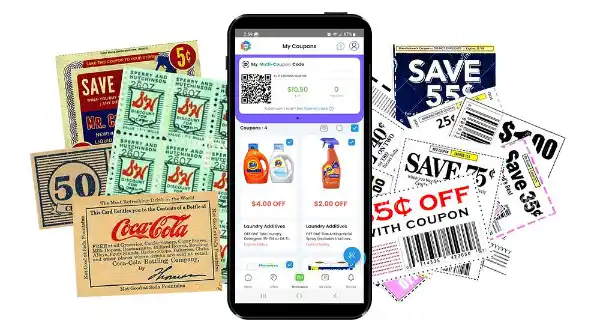
As online shopping and smartphones became more popular, coupon usage moved beyond desktop computers.
Retailers began offering promotional codes through email, websites, loyalty programs, and mobile applications.
Customers could now search for a discount code, copy it, and paste it into an online checkout box. Some stores also introduced barcode-based mobile coupons that shoppers could scan at physical stores.
Digital coupons made promotions easier to distribute and update. Businesses could also target offers based on customer interests and shopping habits.
For shoppers, this meant more ways to discover discounts without collecting paper vouchers.
2020s: The Rise of Modern Coupon Websites and Personalized Offers
Today, finding a coupon can take just a few seconds.
Shoppers can search Google, visit coupon websites, check retailer apps, or receive personalized offers through email. Many online stores also apply discounts automatically when customers follow a promotional link.
Digital coupons are now a major part of the retail savings industry.
According to Inmar Intelligence, digital coupon redemptions accounted for 54% of all coupon use, as reported in its 2024 shopper engagement discussion. This reflects the growing preference for convenient digital savings.
You can read the research on Inmar’s shopper engagement insights (external source).
At CouponGod, I see this shift in the way people search for promotional offers. Shoppers increasingly look for discounts on everything from fashion and electronics to web hosting and software subscriptions.
Our team manually verifies coupons before publishing them, checks offer conditions, and reviews user feedback to help shoppers avoid expired or misleading deals. You can read more about how CouponGod verifies coupons.
What Does the Future of Coupons Look Like?
Coupons will continue to change as shopping technology develops.
Here are a few trends that could shape the next generation of discounts:
AI-powered offers: Retailers can use artificial intelligence to understand shopping preferences and recommend more relevant promotions.
Personalized discounts: Customers may receive offers based on their previous purchases, browsing habits, or loyalty status.
Mobile-first savings: Smartphone apps, digital wallets, and automatic discounts will make coupon redemption easier.
Better fraud protection: Improved verification systems can help businesses reduce fake codes, duplicate redemptions, and promotional abuse.
The main goal will remain the same: helping customers spend less while giving businesses a reason to attract and retain shoppers.
Final Thoughts
From free Coca-Cola vouchers in 1887 to today’s digital discount codes, coupons have changed dramatically over more than a century.
What started as a simple way to encourage people to try a new drink has become an important part of shopping and online retail marketing.
I believe coupons will remain useful as long as shoppers want better prices and businesses want to reward customers. The format may change, but the idea behind it will stay the same: a good deal benefits both sides.
If you enjoy finding discounts, explore CouponGod to discover promotional codes and verified offers from popular brands across different shopping categories.